One-Stop Intelligent Charging Solution Provider.
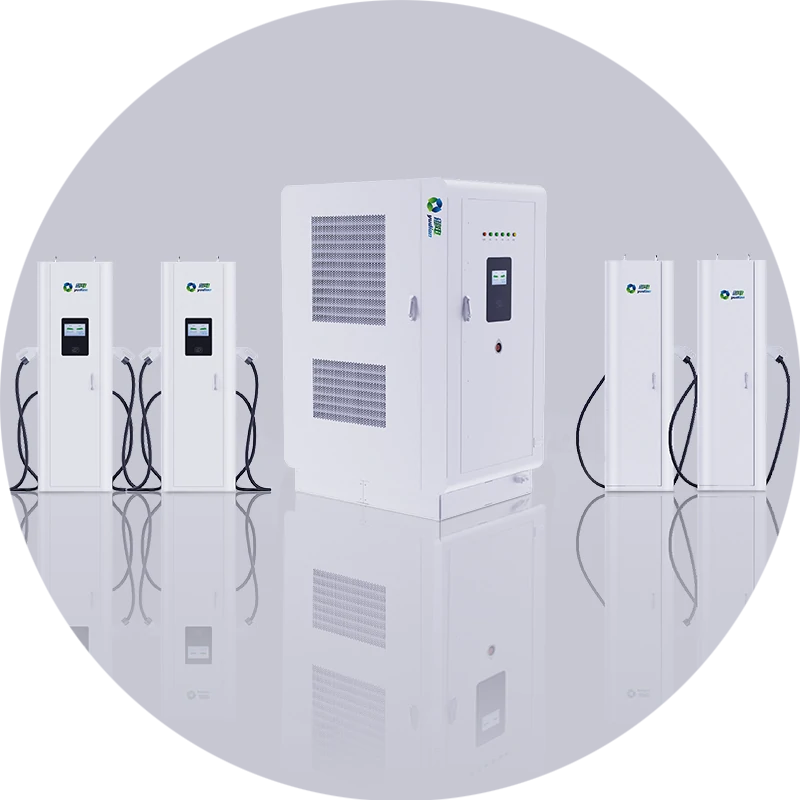
Yudian EV Charger
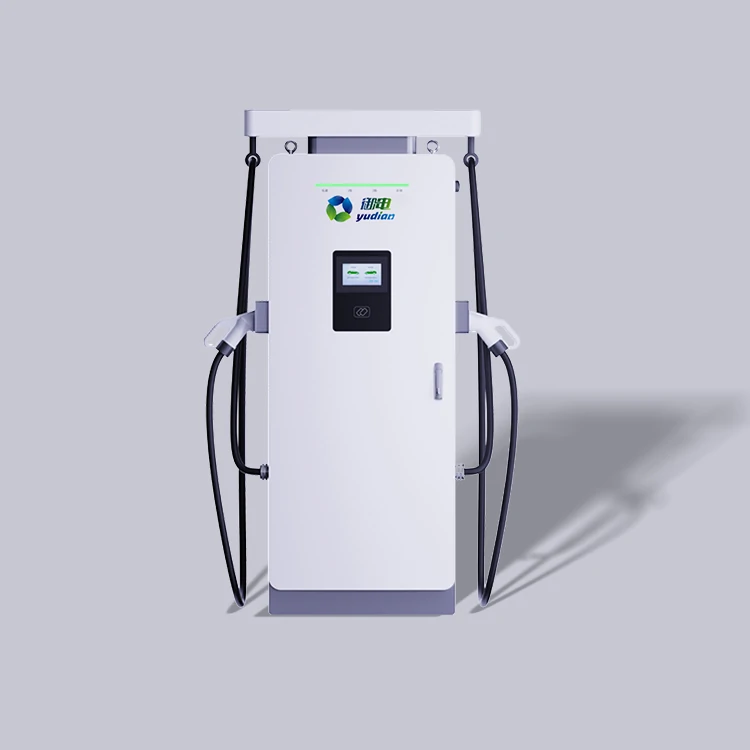
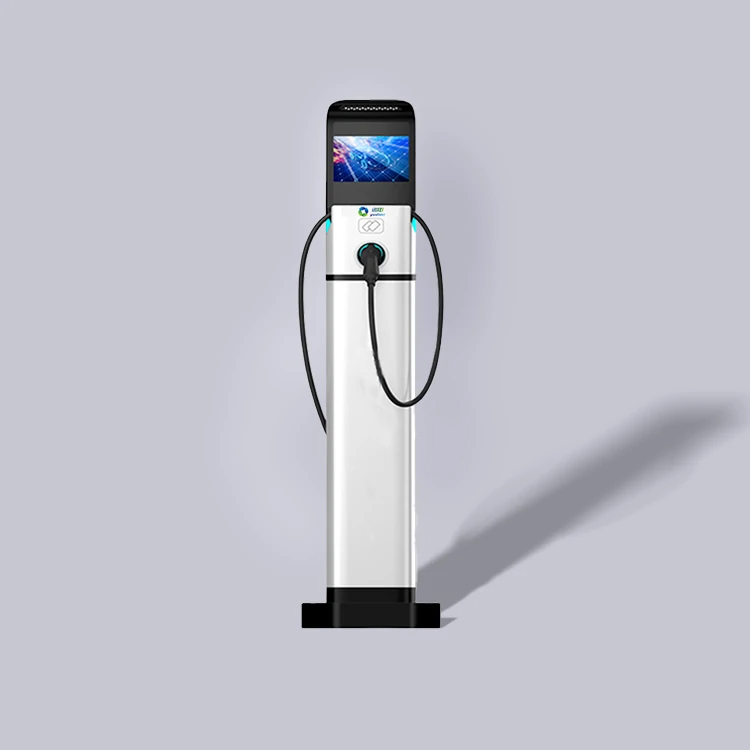
AC/DC EV charger
2002
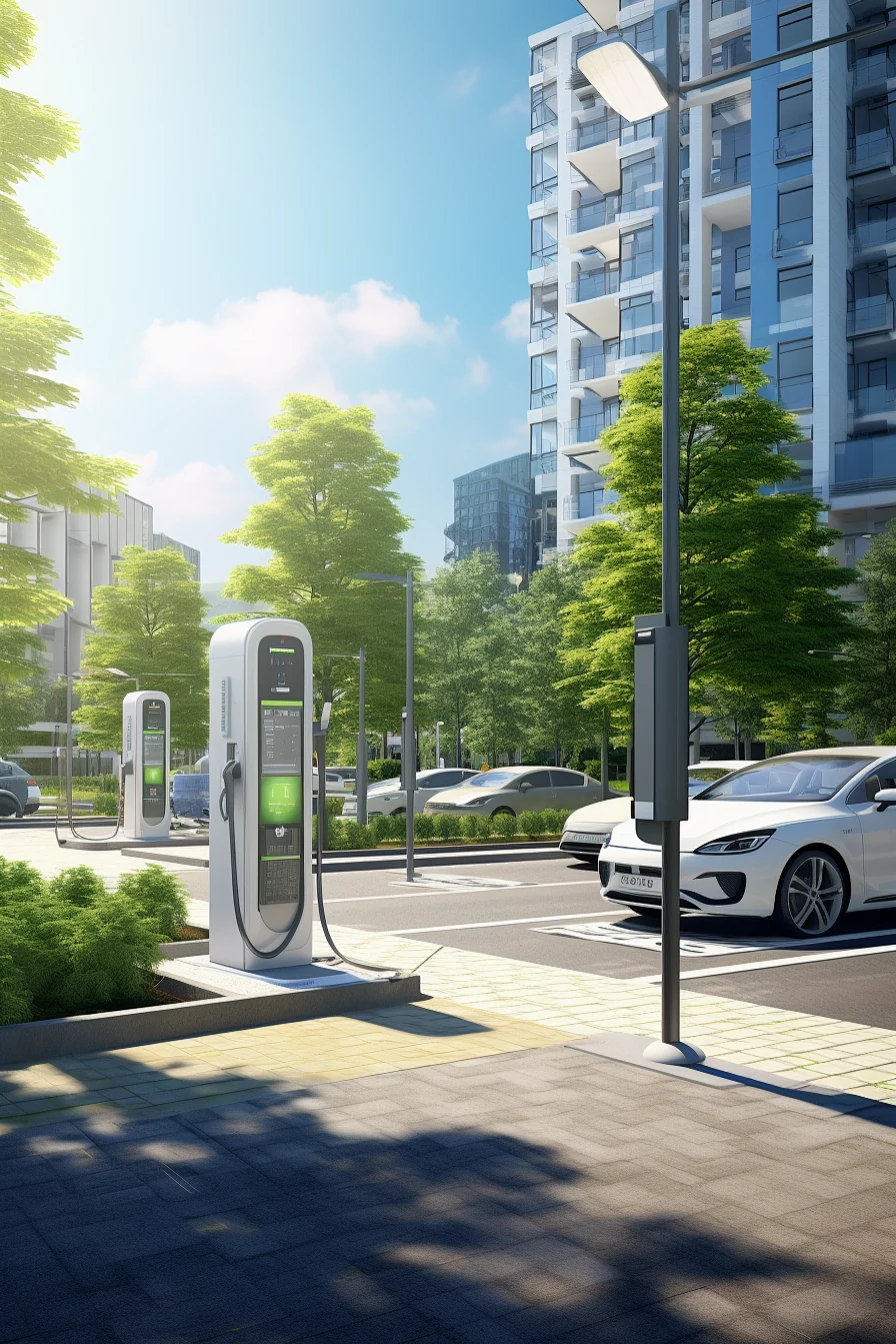
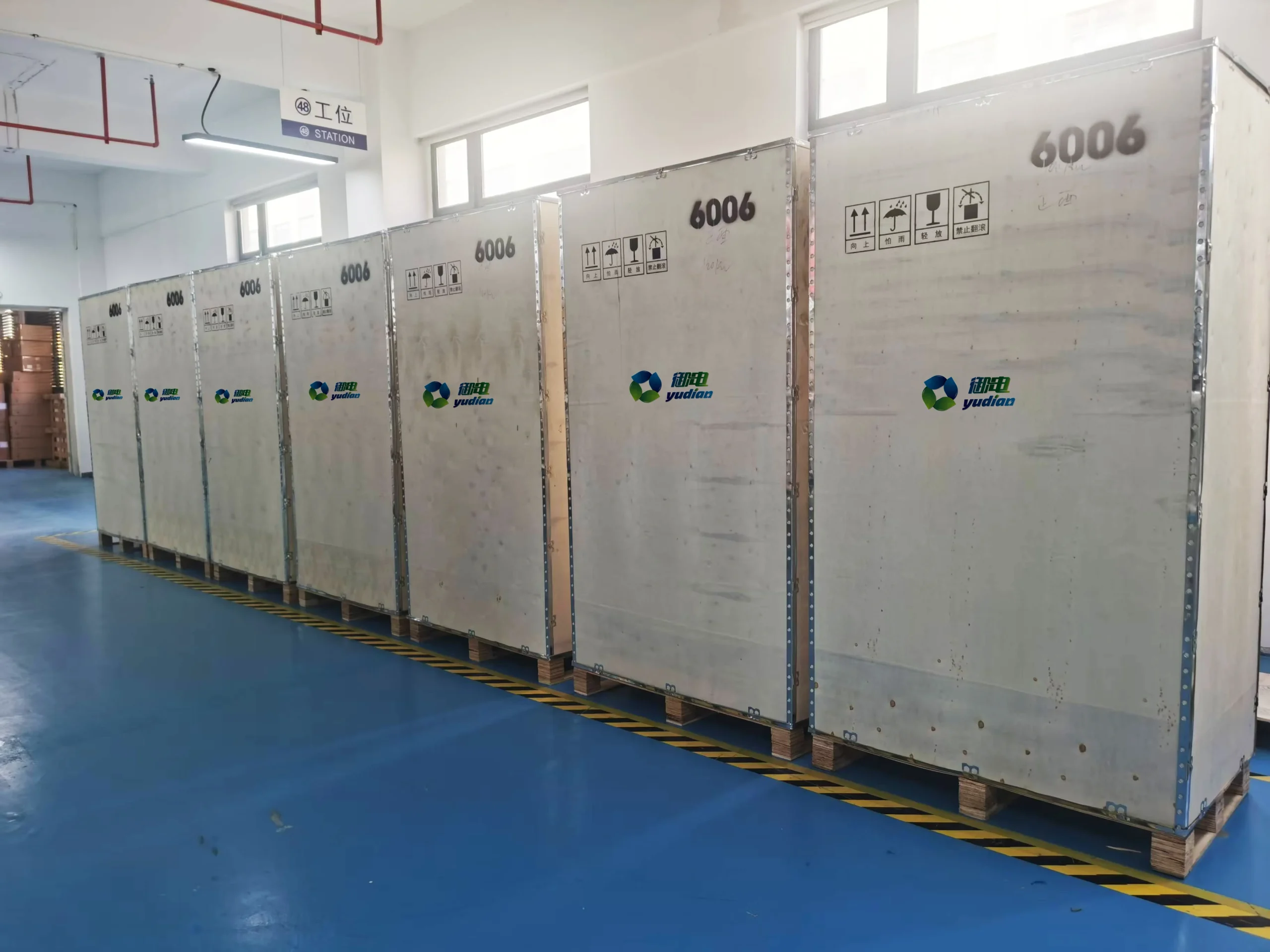
Ready for Global Deployment: Your EV Charging Solutions Shipped with Precision
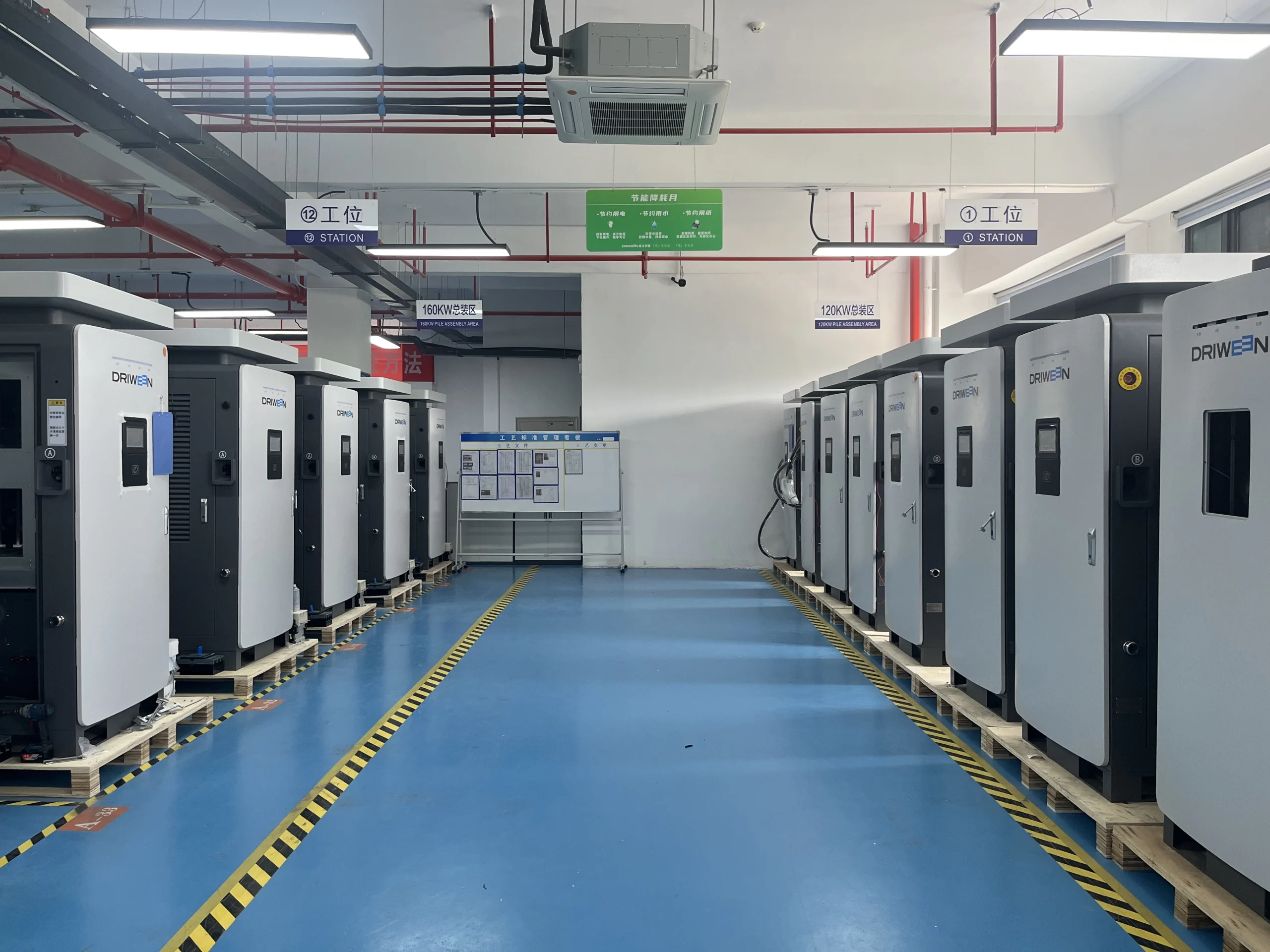
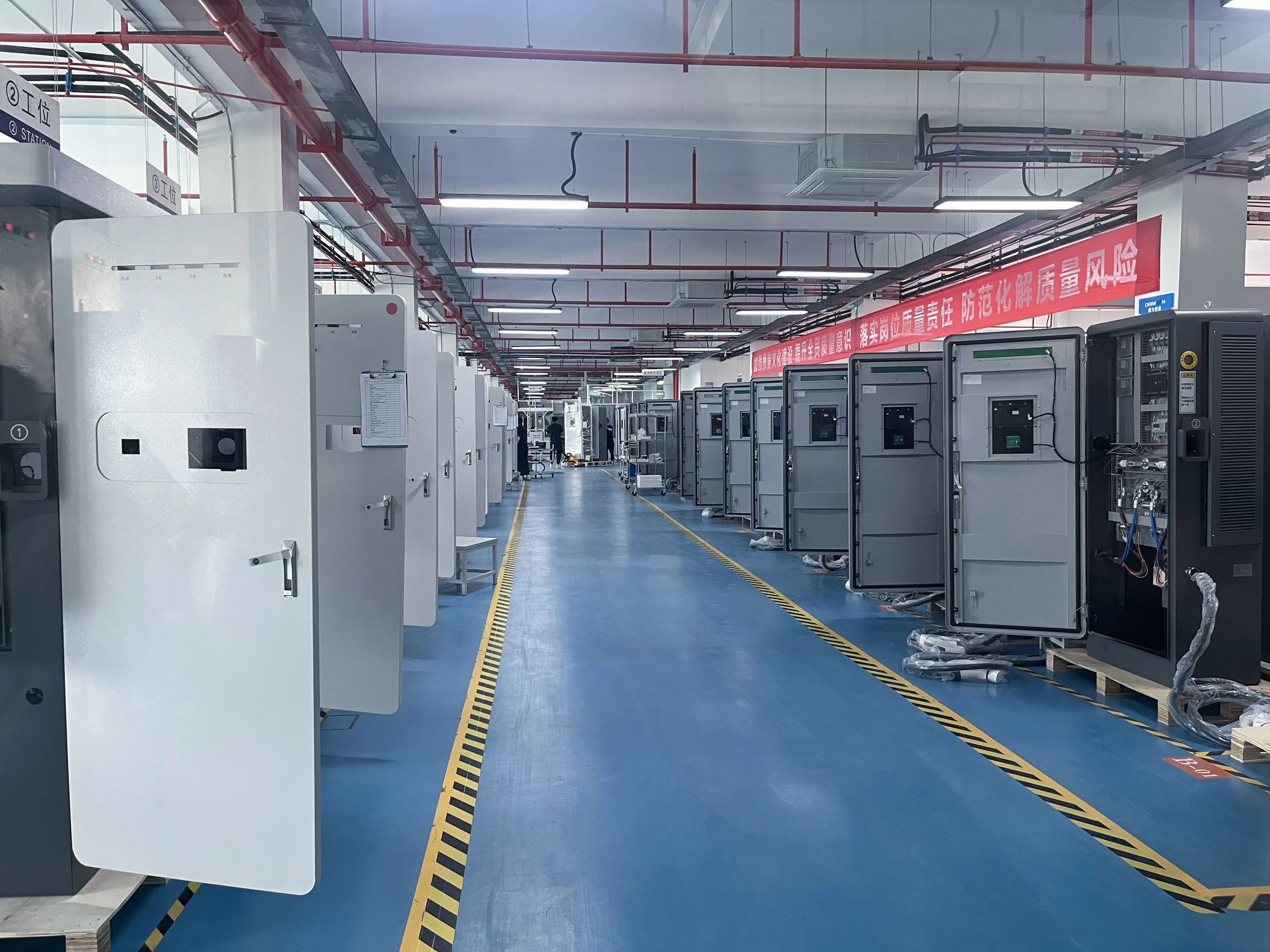
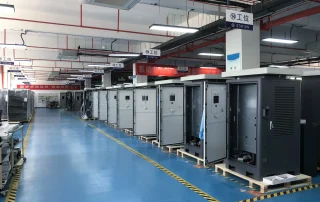
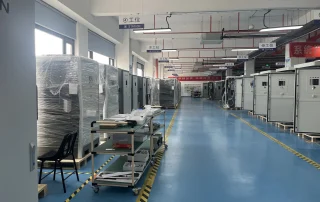
Our DC/AC fast chargers are carefully packed and ready for delivery. Each unit undergoes rigorous quality checks before being secured in industrial-grade wooden crates, ensuring safe arrival to your charging station projects worldwide.
Our Products
AC/DC EV charger
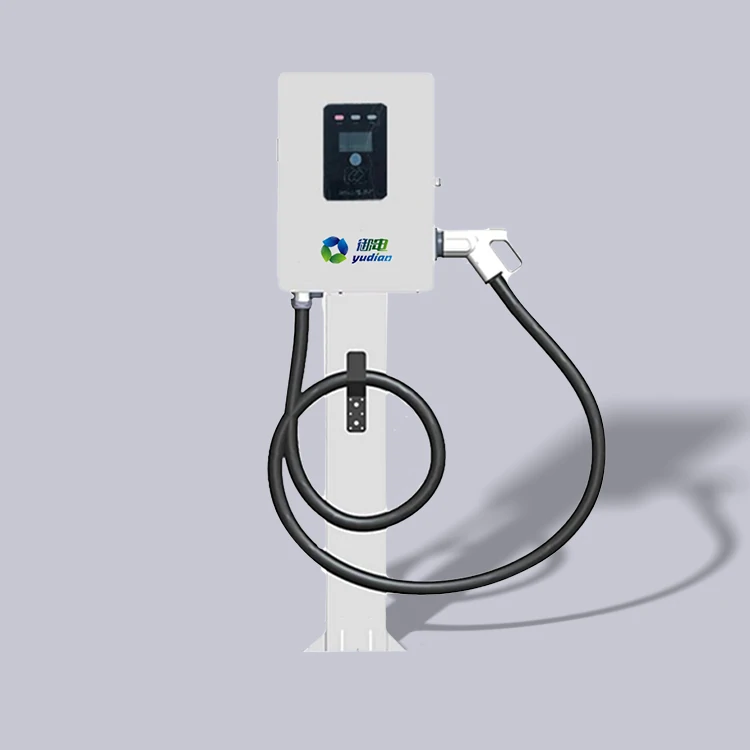
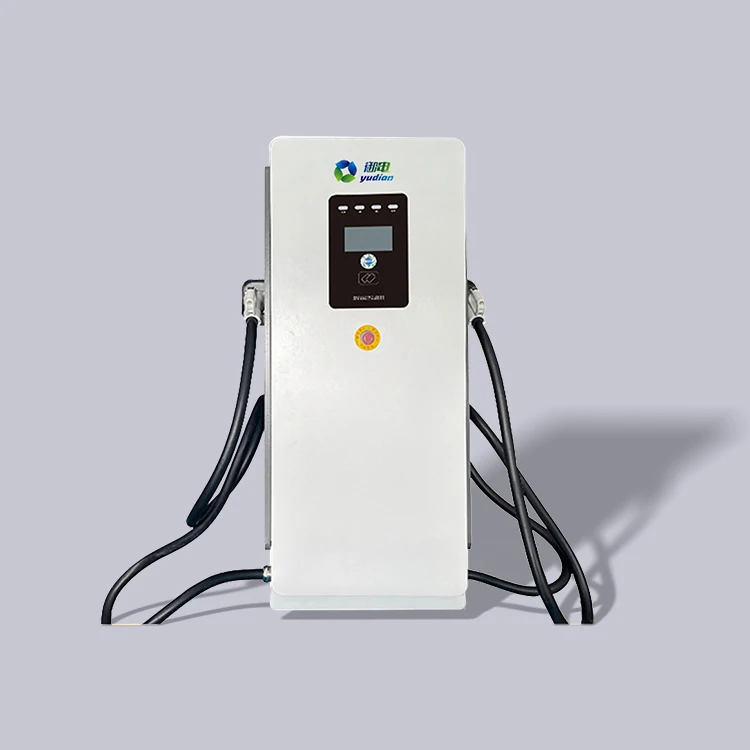
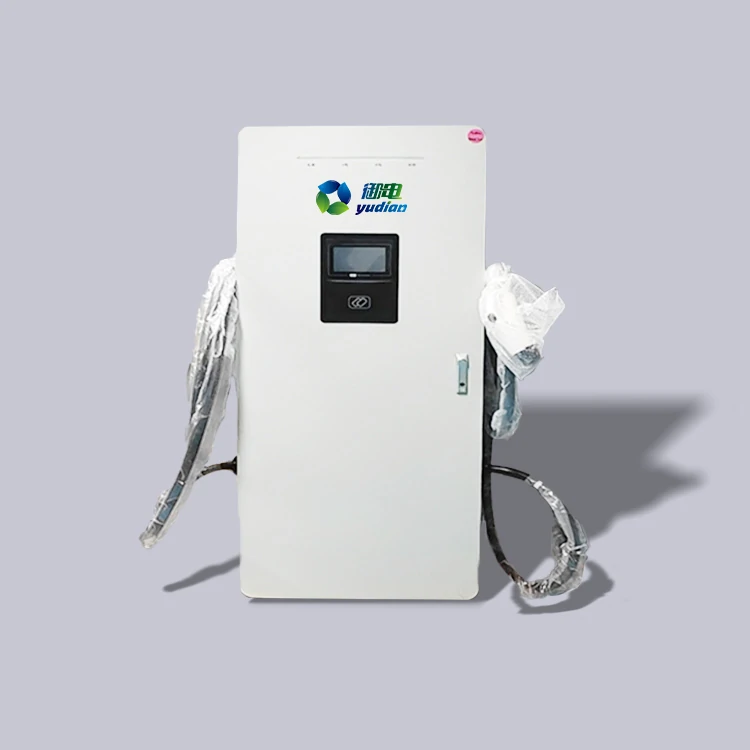
Popular Categories
Comprehensive smart charging +
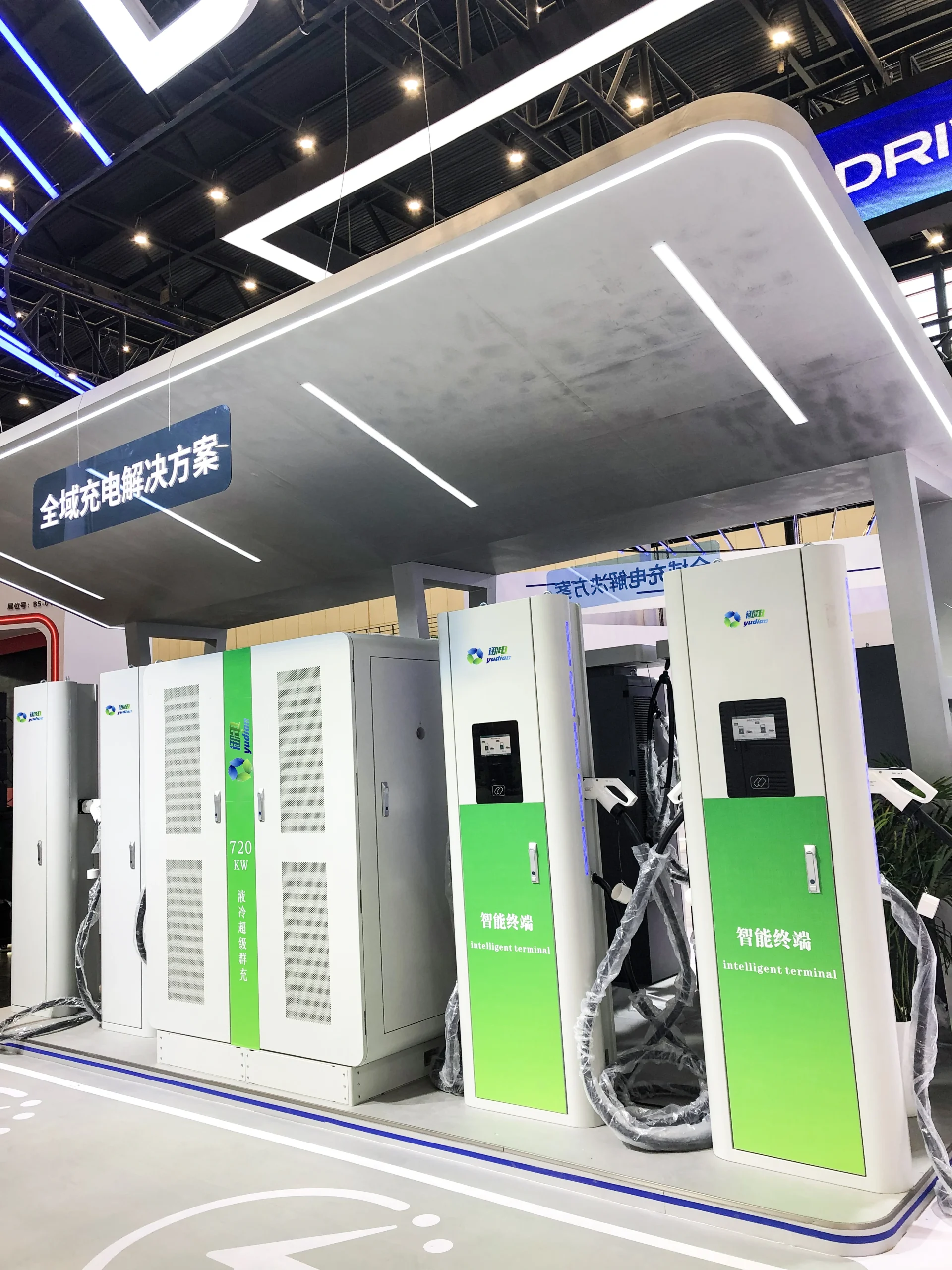
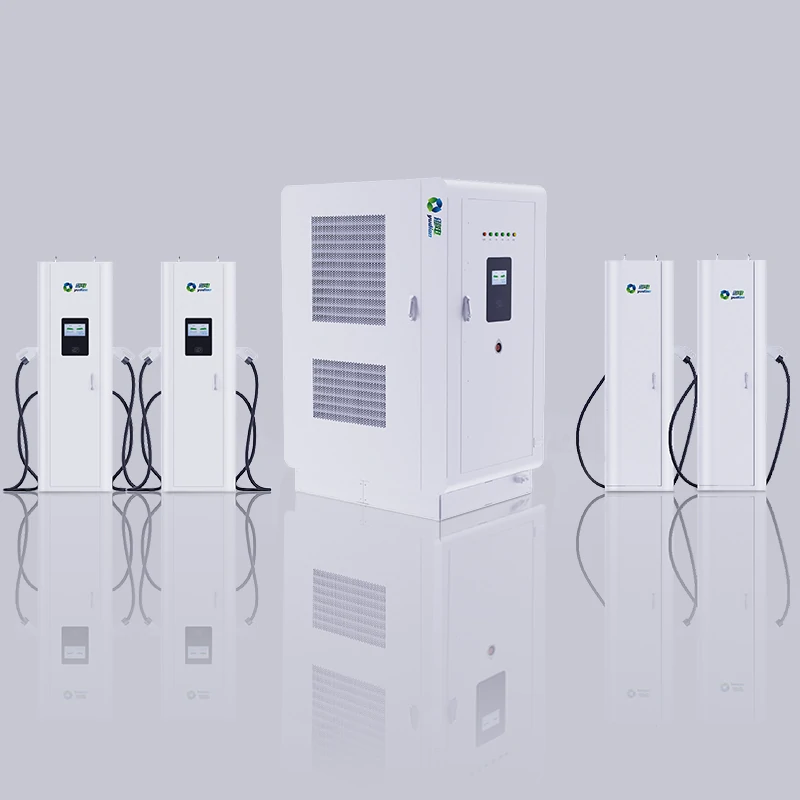
AC/DC EV charger , Group Charge
Yudian EV Charger
We deliver reliable, efficient, and scalable charging systems that serve both commercial and public needs.
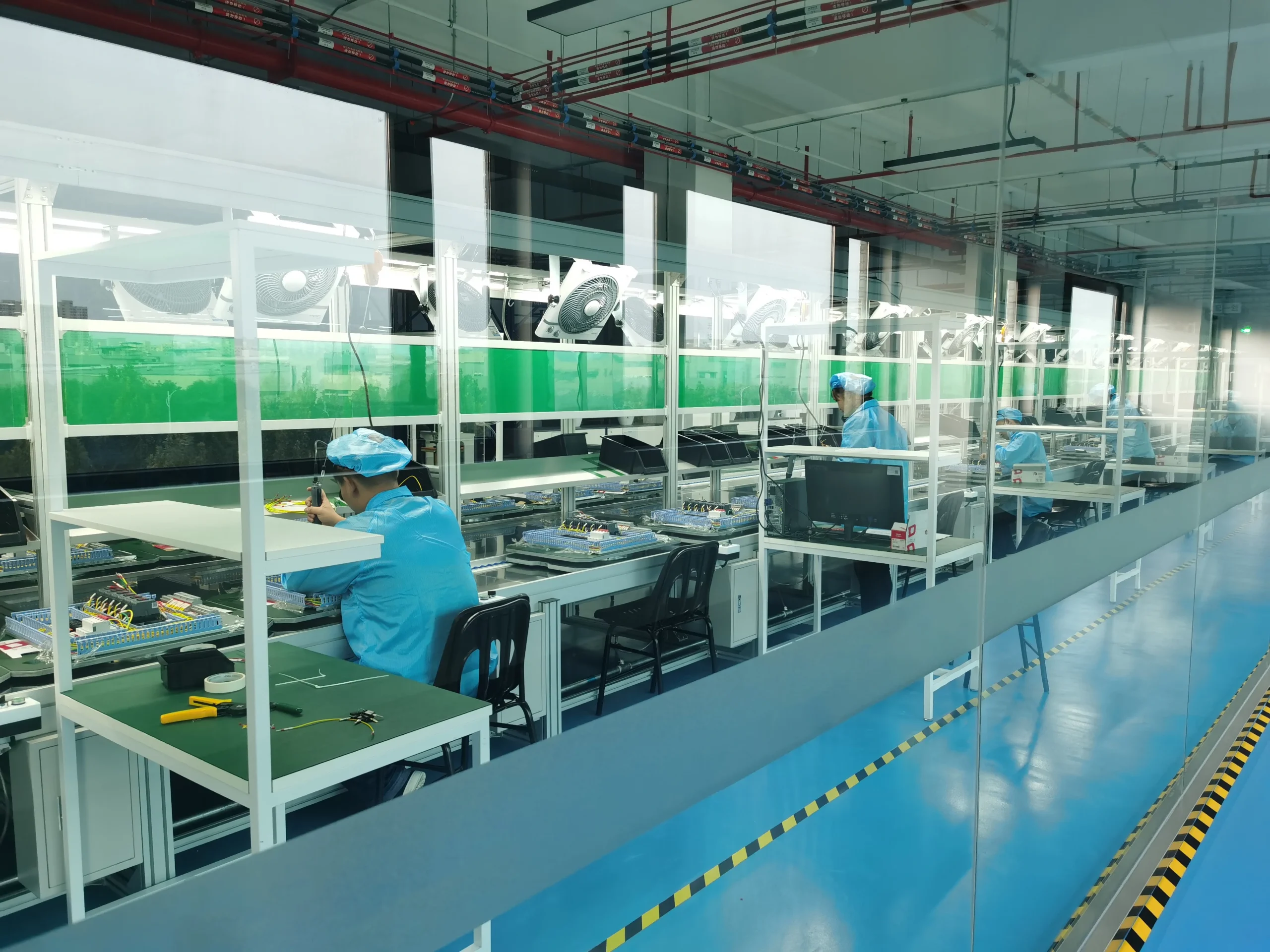
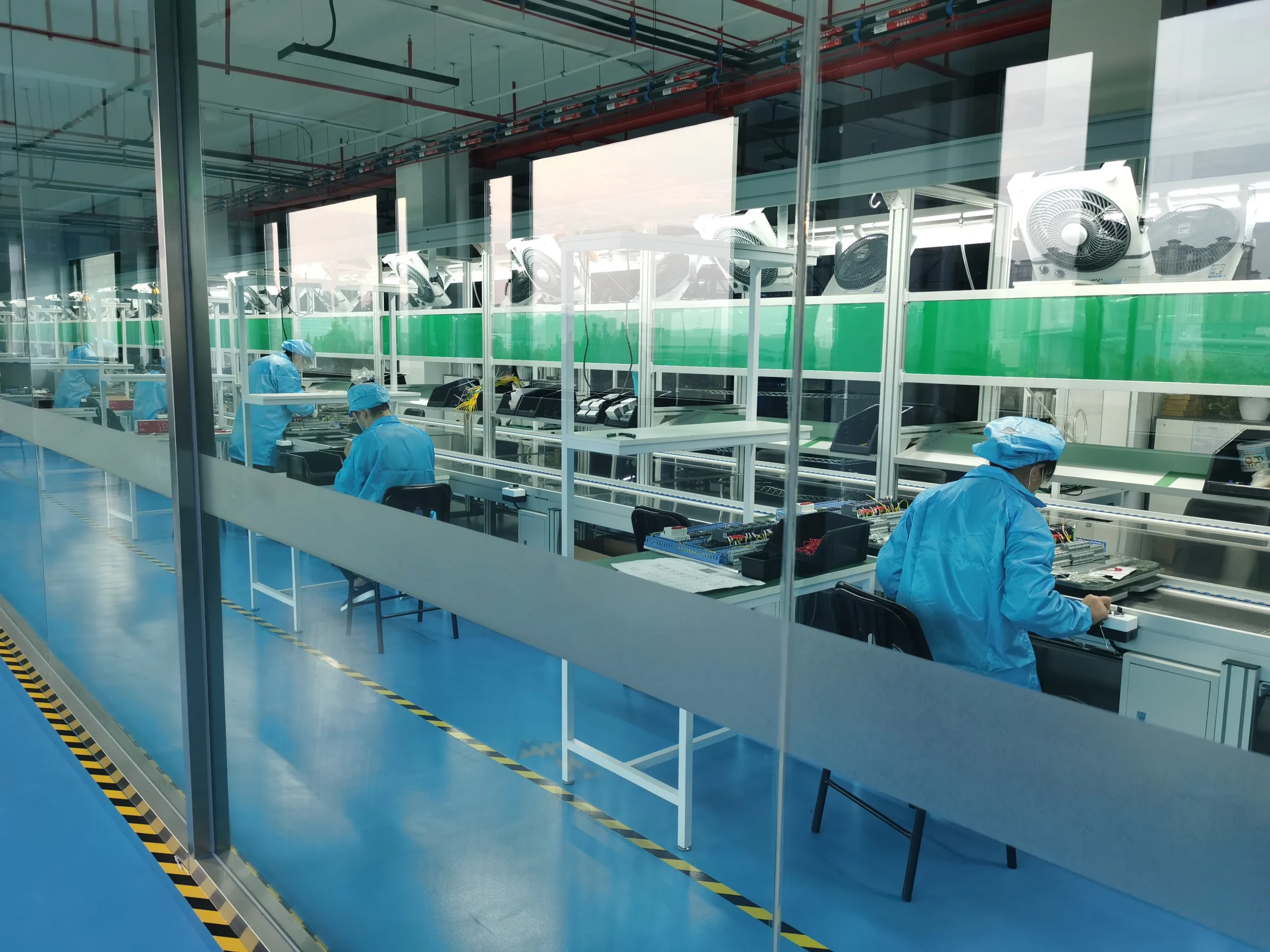
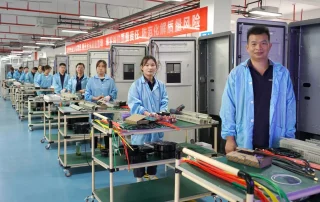
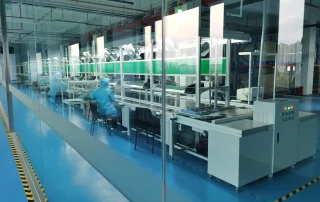
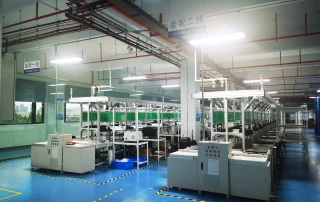
Factory building area of 20,000squaremeters 1research center3 laboratories
2.0mm thickened body, no fear of outdo-or-rain and snow
Professional online and oflineguidance andinstallation 800+professional engineers
No recycled materials, high-pre.cision parts
Our Articles
Blog Posts to Enhance Your Experience
Contact us for an estimate
If you have any queries, get in touch today! Don’t hesitate. We try to take the extra step for our customer satisfaction.