
Demystifying EV Charger amperage: What Every EV Owner Should Know.
With the increasing popularity of electric vehicles (EVs), More and more car owners want to understand the charging principle, especially the technical specifications of electric vehicle chargers, such as amperage. Understanding amperage is key to optimizing charging speed, selecting the right equipment, and ensuring safe operation. This guide provides a comprehensive overview of everything you need to know about electric vehicle charger amperage, from basic definitions to practical installation tips.
Understanding Basics Of Electric Vehicle Charger amperage
What are the charging amperage for electric vehicles?
An ampere (Ampere) is a unit of measurement for electrical amperage. In the field of electric vehicle charger, the ampere rating of a charger indicates the amount of electricity delivered to the vehicle’s battery per unit of time. Generally speaking, a higher amperage rating means faster charging speed—provided your vehicle and electrical system can support it.
The Relationship Between Charging amperage, Charging voltage and Power
Charging power (in kilowatts or kW) is calculated by multiplying the voltage (V) by the amperage (A). For example, a 240V charger with a working amperage of 32A can provide approximately 7.7kw of power (240V*32A=7680W=7.68kw≈7.7kw)
.
.
Common types of electric vehicle chargers and their amperage ratings
Level 1 charger: Low charging amperage, easy to use
Level 1 chargers plug into a standard 120V household outlet and typically draw 12-16A of charging amperage. While they are portable and require no special wiring, their low amperage only adds 3-5 miles of range per hour—suitable for occasional use, but slow for everyday needs.
Level 2 Chargers: The Standard for Home and Workplace
Most home electric vehicle chargers use Level 2 chargers, operating at 208-240V and providing charging amperages ranging from 16-80A. Common models include 32A and 48A chargers, offering 25-50 miles of range per hour. These chargers strike a balance between charging speed, cost, and compatibility, making them the preferred choice for the average electric vehicle user.
DC fast charger: Maximum amperage for fast charging.
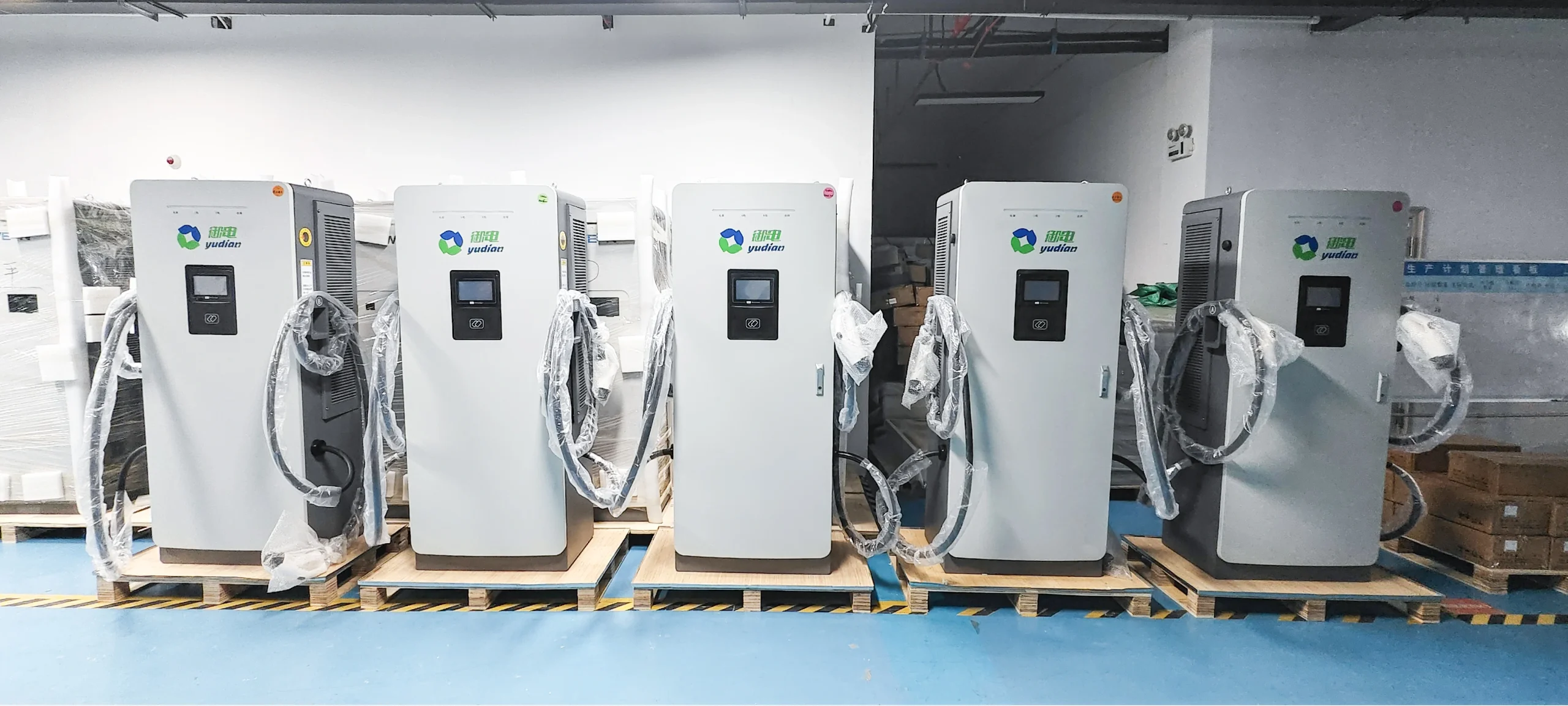
DC fast chargers (Level 3) can provide higher DC amperage, typically between 0-250A, which can meet the fast charging requirements of most cars. However, these systems require more sophisticated infrastructure and are not suitable for home use due to their high power requirements and high cost
.
.
How to choose the right ampere number for your needs
The amperage rating should be compatible with the vehicle’s onboard charger.
Your electric vehicle has a built-in maximum charging amperage limit. For example, if your vehicle’s battery can handle a maximum amperage of 48A, installing a 60A circuit will not allow your battery to handle 60A. Please always consult your owner’s manual to ensure that the charger’s output power matches the vehicle’s charging capacity to avoid wasting power.
Safety, efficiency and smart features related to electric vehicle charger amperage
Heat Dissipation and Cable Quality Management
The higher the amperage drawn by an electric vehicle charger, the more heat it generates, which can damage internal components over time. High-quality chargers use thick-insulated cables and built-in overheat protection to safely handle continuous loads. Never use extension cords or modified plugs—doing so could cause a fire or damage the equipment.
Load Balancing and Smart Charging
Many modern Electric Vehicle Power Systems (EVSEs) come equipped with smart technology that dynamically adjusts the amperage supplied to the EV charger based on your home’s total power consumption. This “load balancing” feature prevents circuit overload while maximizing efficiency—especially useful for homes with solar panels or multiple high-power appliances.
Planning for Future Electric Vehicle Models
As electric vehicle technology advances, onboard chargers support higher charging amperages. Even if you initially use a 32A charger, installing conduits for 60A or 80A circuitry allows for flexible upgrades without rewiring. This initial investment is small, but will ultimately yield substantial returns as your charging needs evolve.
Understanding the amperage draw of your electric vehicle charger can help you make smarter choices, improving convenience, safety and long-term value. Whether you’re installing a home charger for the first time or optimizing an existing system, keeping an eye on the amperage draw ensures your electric vehicle always has a full charge and is ready to go.
Subscribe to our free newsletter
We offer you reliable charging solutions for new energy vehicles.